Source low voltage insulated electrical wire and cable for heating, underground, and overhead
Compare 30 listings of low voltage insulated electrical wire and cable from Chinese manufacturers. Buyers can evaluate options for heating, underground, and overhead applications with varying certifications and materials.
Key considerations
Products List


Comprehensive Sourcing Guide
Strategic Sourcing Guide for Low Voltage Insulated Electrical Wire and Cable
Navigating the global market for low voltage insulated electrical wire and cable requires a disciplined approach that balances technical specifications, regulatory compliance, and supply chain reliability. Buyers in this sector must distinguish between generic product listings and verified, application-specific solutions. The following guide outlines the critical factors for sourcing these essential components, drawing strictly from observed market data and established industry practices to ensure procurement decisions are grounded in factual evidence rather than speculation.
Technical Specifications and Material Composition
The foundation of any successful procurement strategy lies in a precise understanding of the technical attributes of the wire and cable. In the observed market, low voltage insulated wires are defined by specific conductor types, insulation materials, and voltage ratings. A primary observation is the prevalence of stranded copper conductors, which offer flexibility and durability compared to solid conductors. The insulation materials vary significantly based on the intended application, with silicone rubber, PVC, and PE (Polyethylene) being the most commonly cited materials in current listings.
Voltage ratings are a critical safety parameter. Market data indicates that many products in this category are rated for 500V, which is standard for general low voltage applications. However, buyers must verify the specific voltage rating for each product, as this can vary. Temperature resistance is another vital specification; some products are rated for operation up to 200 degrees Celsius, making them suitable for high-heat environments such as heating applications. In contrast, other products may have lower thermal limits, necessitating careful selection based on the operating environment.
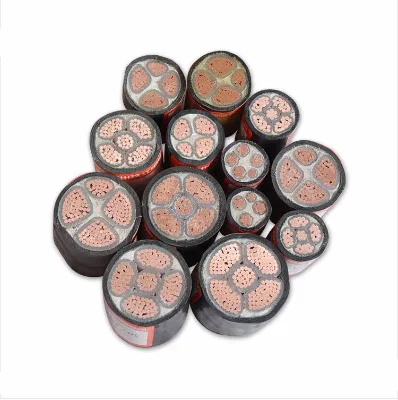
The physical shape of the conductor is also a key differentiator. While round wire is the standard form, the number of cores can range from single-core to multi-core configurations, with observed ranges including 1 to 5 cores. This flexibility allows for customized solutions in complex wiring systems. The cross-sectional area of the wire, often measured in square millimeters, typically ranges from 0.75 sqmm up to 25 sqmm or higher, depending on the current-carrying capacity required. Buyers should always request detailed cross-sectional data to ensure the wire can handle the expected electrical load without overheating.
Compliance and Certification Verification
In the electrical industry, compliance is not merely a formality but a prerequisite for market access and safety. The observed product listings highlight a diverse array of certifications, including RoHS, CCC, CE, ISO, and VDE. These certifications indicate adherence to specific regional and international standards regarding hazardous substances, safety, and quality management.
The CCC (China Compulsory Certification) is frequently mentioned, suggesting that many products are manufactured for the Chinese domestic market or export to regions requiring this specific approval. Similarly, RoHS compliance ensures that the products do not contain restricted hazardous substances, which is a mandatory requirement for selling into the European Union and many other jurisdictions. The presence of CE marking indicates conformity with health, safety, and environmental protection standards for products sold within the European Economic Area.
It is crucial for buyers to understand that certification status is product-specific. A supplier may offer a product line with CCC certification while another line from the same manufacturer might only carry RoHS or VDE certification. Therefore, procurement teams must verify the certification status for the exact model number being ordered. The standards referenced in the market include VDE 3188 for specific wire types, as well as international standards like ASTM, DIN, IEC, and BS. Buyers should explicitly request the certification documents for the specific batch or model to ensure they are not relying on general claims that may not apply to the specific item purchased.
Cost Drivers and Pricing Dynamics
Understanding the cost structure of low voltage insulated electrical wire and cable is essential for budgeting and negotiation. The observed price range in the market is extremely wide, spanning from $0.02 to $520 per unit. This vast disparity is not indicative of a single product type but rather reflects differences in material quality, conductor size, insulation thickness, and order volume.
The primary cost drivers include the type of conductor material and the insulation material. Copper is the standard conductor material observed, but the purity and processing of the copper can affect the price. Similarly, the choice of insulation material—whether silicone rubber, PVC, or PE—significantly impacts the final cost. Silicone rubber, for instance, generally commands a higher price due to its superior thermal and chemical resistance properties compared to standard PVC.
Order volume is another critical factor influencing unit price. The Minimum Order Quantity (MOQ) observed in the market ranges from 1 piece to 500,000 pieces. Suppliers often offer tiered pricing structures where the unit cost decreases as the order volume increases. For small-scale projects or prototyping, buyers may face higher per-unit costs due to the low MOQ flexibility. Conversely, large-scale industrial projects can leverage high-volume orders to secure more competitive pricing. Buyers should also consider the trade terms, such as FOB, CIF, or CFR, as these affect the final landed cost by including or excluding shipping and insurance expenses.
Typical Applications and Usage Scenarios
Low voltage insulated wires are versatile and find applications across a wide spectrum of industries. The observed market data highlights several distinct usage scenarios, including heating, underground, and overhead installations. Heating applications often require wires with high-temperature resistance, such as those rated for 200 degrees Celsius, and may utilize silicone rubber insulation to withstand thermal stress.
Underground applications demand cables with robust insulation and protective sheathing to resist moisture, soil chemicals, and mechanical damage. Products listed for underground use often feature specific insulation materials and may include additional protective layers. Overhead applications, on the other hand, require wires that can withstand environmental exposure, including UV radiation and varying weather conditions. The ability of a wire to be flame retardant is another critical attribute for applications where fire safety is a concern, as noted in the "Range of Application" for certain products.
The flexibility of the wire is also a consideration. Stranded conductors are preferred for applications requiring frequent bending or movement, such as in machinery or mobile equipment. The number of cores, ranging from 1 to 5, allows for customized wiring solutions in control panels, lighting systems, and power distribution networks. Buyers must match the specific application requirements with the technical specifications of the wire to ensure long-term reliability and safety.
Supplier Evaluation and Service Capabilities
Selecting the right supplier is as important as selecting the right product. The market shows a variety of suppliers with different capabilities, including ODM (Original Design Manufacturing), OEM (Original Equipment Manufacturing), and customized service options. This flexibility allows buyers to tailor products to their specific needs, such as custom insulation colors, specific packing requirements, or unique model numbers.
Geographic location is another factor to consider. Suppliers are located in various regions of China, including Zhejiang, Dongguan (Guangdong), and Henan. Each region may have different supply chain efficiencies and logistics capabilities. For instance, suppliers in Dongguan might have better access to advanced manufacturing technologies, while those in Zhejiang might offer competitive pricing due to established industrial clusters.
Service capabilities extend beyond manufacturing to include packaging and logistics. Observed packing methods include PE and carton, drums, and wooden drums, with some suppliers offering custom packing solutions. The lead time for delivery is also a critical service metric, with observed ranges from within 20 days to 20-30 days. Buyers should verify the lead time for their specific order to ensure it aligns with their project timeline. Additionally, the acceptance of sample orders is a positive indicator of a supplier's willingness to engage with new clients and validate product quality before committing to large orders.
Quality Control and Long-Term Procurement Considerations
Ensuring consistent quality is paramount in the procurement of electrical components. The observed market includes products with warranties, such as a 5-year warranty, which indicates a supplier's confidence in their product's durability. However, buyers should not rely solely on warranty claims but should implement their own quality control measures. This includes verifying the product model, checking for the presence of required certifications, and conducting incoming quality inspections.
Long-term procurement considerations involve building a sustainable relationship with suppliers. This includes evaluating the supplier's ability to maintain consistent quality over time, their responsiveness to issues, and their capacity to scale production as demand grows. The availability of customization services, such as custom insulation colors and packing, can be a significant advantage for buyers looking to differentiate their products or meet specific brand requirements.
Furthermore, buyers should consider the environmental impact of their procurement choices. Certifications like RoHS and the use of eco-friendly materials can be important for companies with sustainability goals. The trade terms and logistics capabilities of the supplier also play a role in the long-term viability of the supply chain, affecting cost stability and delivery reliability. By focusing on these factors, buyers can mitigate risks and ensure a steady supply of high-quality low voltage insulated electrical wire and cable.
Comparative Analysis of Product Attributes
To facilitate decision-making, the following table summarizes the key attributes observed in the market for low voltage insulated electrical wire and cable. This comparison highlights the diversity of options available and the specific characteristics that buyers should evaluate.
| Attribute Category | Observed Options | Key Considerations for Buyers |
|---|---|---|
| Conductor Material | Copper (Stranded) | Verify purity and stranding count for flexibility. |
| Insulation Material | Silicone Rubber, PVC, PE | Match material to temperature and environmental needs. |
| Voltage Rating | 500V (Common) | Confirm specific rating for safety compliance. |
| Temperature Rating | Up to 200°C (Some models) | Essential for heating or high-heat applications. |
| Certifications | RoHS, CCC, CE, ISO, VDE | Verify specific certification for the exact model. |
| MOQ Range | 1 to 500,000 PCS | Negotiate based on order volume and budget. |
| Lead Time | Within 20 Days to 20-30 Days | Align with project schedules and inventory needs. |
| Applications | Heating, Underground, Overhead | Select based on specific installation environment. |
| Packing | Carton, Drum, Wooden Drum | Ensure packaging protects the product during transit. |
This structured approach to evaluating product attributes helps buyers navigate the complex landscape of low voltage electrical wire and cable sourcing. By focusing on verified data and adhering to strict compliance standards, procurement teams can make informed decisions that ensure safety, reliability, and cost-effectiveness in their operations.
FAQs
What insulation materials are available for low voltage insulated electrical wire and cable?
Common insulation materials include silicone rubber, PVC, and PE. Buyers should verify the specific material for each product model, as silicone rubber offers higher temperature resistance up to 200 degrees Celsius while PVC is standard for general applications.
Which certifications are commonly found on low voltage insulated electrical wire and cable?
Products frequently carry RoHS, CCC, CE, ISO, and VDE certifications. These indicate compliance with safety and environmental standards, but buyers must confirm the specific certification status for the exact model number being ordered.
Can suppliers offer customization for low voltage insulated electrical wire and cable?
Yes, customization is available for insulation colors, packing requirements, and model specifications. Suppliers often accept ODM and OEM requests, allowing buyers to tailor products to specific project needs and branding requirements.
What is the typical lead time for low voltage insulated electrical wire and cable orders?
Delivery lead times typically range from within 20 days to 20-30 days. Buyers should verify the specific timeline for their order, as it depends on the supplier location, order volume, and customization requirements.
How does the price range vary for low voltage insulated electrical wire and cable?
Prices observed in the market range from $0.02 to $520 per unit. This variation depends on conductor size, insulation material quality, and order volume, with larger orders often securing more competitive per-unit pricing.
What are the standard voltage ratings for low voltage insulated electrical wire and cable?
Many products are rated for 500V, suitable for general low voltage applications. Buyers must check the specific voltage rating for each item, as this is a critical safety parameter that varies by product model.